MLB 2026 Rule Changes: Game Pace & Player Performance Impact
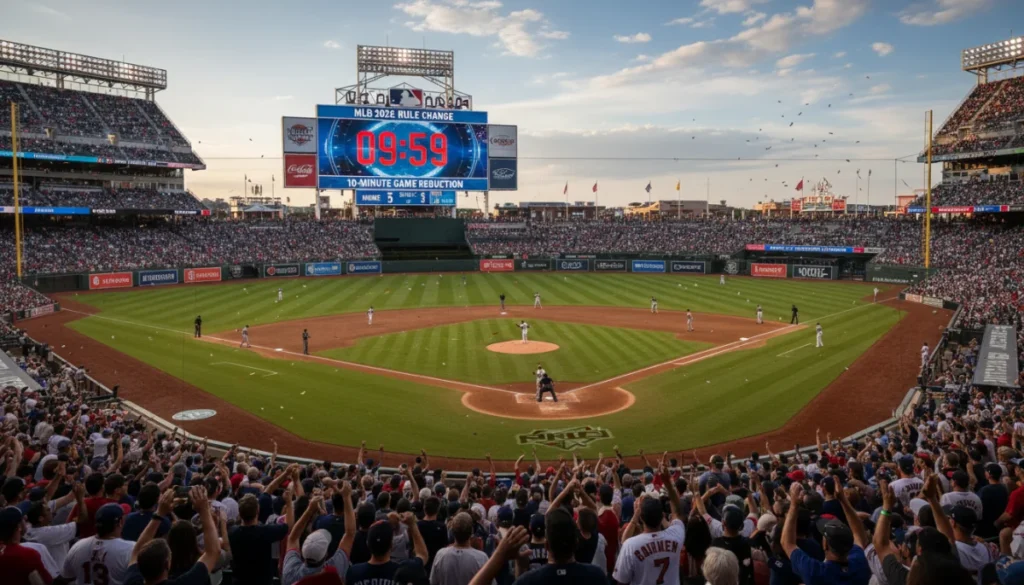
The 2026 MLB rule changes are designed to significantly reduce game times, targeting a 10-minute reduction per contest, which will profoundly influence game pace, strategic decisions, and player performance across the league.
The landscape of America’s pastime is continually evolving, and the upcoming MLB 2026 Rule Changes represent one of the most significant shifts in recent memory. Major League Baseball is committed to accelerating the game, with a stated goal of reducing average game times by a full 10 minutes. This ambitious target promises to reshape not just the clock, but also player strategies, on-field dynamics, and the overall fan experience. How will these recent updates compare to past adjustments, and what analytical insights can we glean about their potential impact?
The Genesis of Game Pace Initiatives in MLB
Major League Baseball has long grappled with the perception of slow game pace, a concern that has intensified in recent decades. The journey towards the 2026 rule changes is built upon a foundation of previous attempts and experimental adjustments aimed at injecting more action and reducing dead time. Understanding this historical context is crucial for appreciating the magnitude and potential effectiveness of the latest reforms.
Early efforts to speed up play often focused on minor adjustments, such as limiting mound visits or enforcing stricter timing between innings. While these changes provided incremental improvements, they rarely delivered the dramatic shift in pace that the league and many fans desired. The introduction of the pitch clock in minor leagues, for instance, served as a vital testing ground, providing valuable data on its impact on game duration, offensive production, and player adaptation.
Historical Precedents and Their Effectiveness
Baseball’s history is dotted with rule modifications, many of which were designed to adapt the game to changing times or address specific issues. From the evolution of the designated hitter rule to changes in balk interpretations, each modification has left its mark. However, direct attempts to control game length have been a more recent phenomenon, reflecting a modern concern for fan engagement and the attention spans of a new generation.
- Pitch Clock Implementation: First introduced in the minor leagues, the pitch clock proved to be the most impactful single rule change for reducing game times.
- Mound Visit Limits: Restricting the number of coaching visits to the pitcher’s mound successfully cut down on mid-inning delays.
- Replay Review Streamlining: Efforts to make instant replay reviews quicker, though still a work in progress, aimed to reduce prolonged stoppages.
The collective experience from these past initiatives has informed the comprehensive approach being taken for 2026. Rather than isolated changes, the new rules represent a multi-faceted strategy, indicating a deeper understanding of the various factors contributing to game length. This evolution highlights MLB’s ongoing commitment to balancing tradition with the need for a dynamic, engaging product.
Key Rule Changes for the 2026 Season
The 2026 MLB season is set to introduce a series of impactful rule changes, all designed with the overarching goal of reducing game times by 10 minutes. These aren’t minor tweaks; they represent a significant overhaul of various aspects of gameplay. Understanding each component is essential for grasping the full scope of their potential influence on the game.
At the forefront of these changes is a refined pitch clock, building upon its successful implementation in prior seasons. However, the 2026 iteration introduces further adjustments to the timing and penalties associated with it, aiming for even greater efficiency. Beyond the pitch clock, other areas like defensive shifts, base sizes, and even hitter behavior at the plate are being addressed, creating a comprehensive strategy to accelerate play.
Detailed Breakdown of the New Regulations
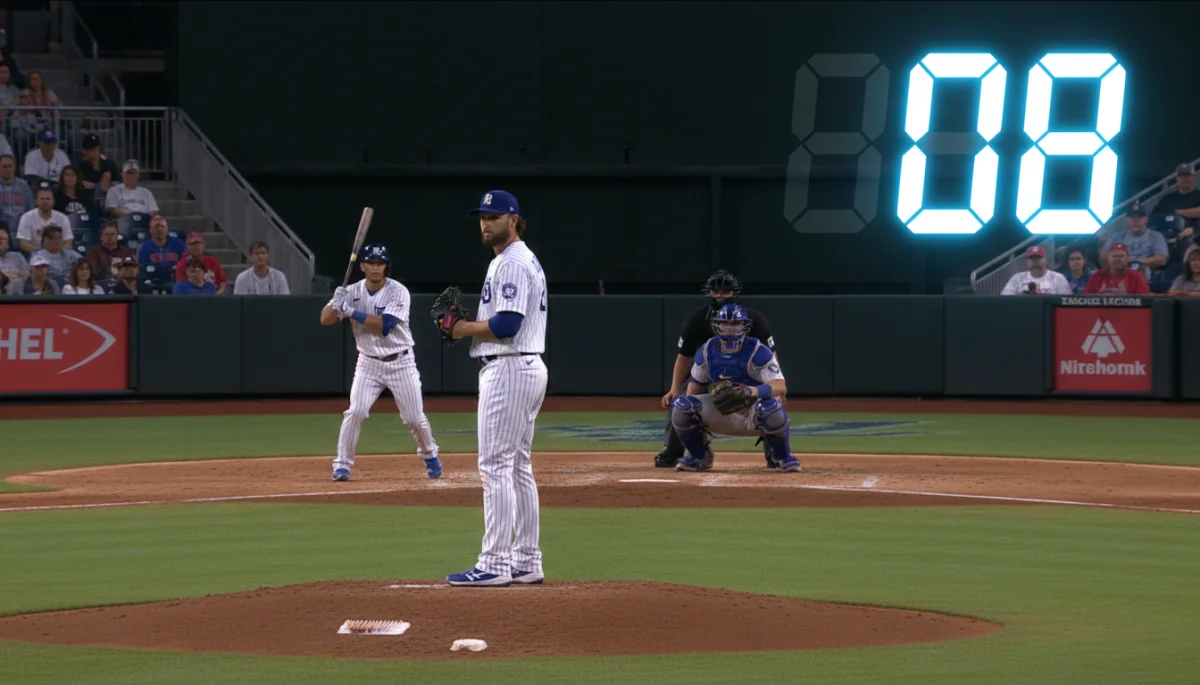
The revised pitch clock will feature tighter windows for pitchers and batters, with stricter enforcement. For pitchers, the time between pitches with no runners on base will be shortened, and the time with runners on will also see a reduction. Batters will also face new constraints, requiring them to be in the batter’s box and ready earlier in the pitch clock cycle. These combined efforts are expected to eliminate significant dead time.
- Enhanced Pitch Clock: Shorter times for pitchers (e.g., 15 seconds with no runners, 20 seconds with runners) and batters (e.g., 8 seconds to be ready).
- Defensive Shift Restrictions: Limits on where infielders can position themselves, aiming to increase offensive action and reduce defensive delays.
- Larger Bases: Increasing base size from 15 inches to 18 inches, primarily a safety measure, but also subtly encouraging more stolen base attempts due to shorter distances.
- Hitter’s Box Rules: New rules to prevent batters from stepping out of the box between pitches without valid reason, further streamlining plate appearances.
These rules are interconnected, each playing a role in the broader objective. For instance, while the pitch clock directly affects tempo, defensive shift restrictions are intended to promote more balls in play, which in turn influences the flow of the game. The combination of these changes signifies a holistic approach to game acceleration, moving beyond single-point solutions.
Projected Impact on Game Pace and Duration
The primary objective of the 2026 MLB rule changes is a tangible reduction in game duration, specifically targeting a 10-minute decrease per game. This goal is not merely aspirational; it is backed by data from experimental leagues and a strategic understanding of how various elements contribute to game length. The anticipated impact extends beyond just shortening games, aiming to create a more fluid and engaging viewing experience.
Early analyses, drawing from minor league implementations and simulations, suggest that a 10-minute reduction is achievable. This would bring the average MLB game closer to the two-and-a-half-hour mark, a sweet spot for many fans. The changes are expected to trim minutes from between-pitch pauses, mound visits, and overall dead time, making each moment on the field feel more consequential and dynamic.
How a 10-Minute Reduction Will Manifest
The cumulative effect of stricter pitch clock enforcement, reduced defensive alignment adjustments, and quicker transitions between batters is expected to shave off precious seconds that add up over nine innings. Consider the impact of just 5-10 seconds saved per batter over an entire game, factoring in approximately 70-80 plate appearances. This alone can account for several minutes of saved time.
- Fewer Pitcher Delays: Pitchers will be compelled to work faster, reducing the time spent contemplating pitches or walking around the mound.
- Quicker Batting Sequences: Batters will need to remain engaged and ready, minimizing pauses for adjustments or stepping out of the box.
- Reduced Defensive Stoppages: Limits on shifts mean less time spent repositioning fielders, especially between pitches.
The overall rhythm of the game is poised to become more continuous, with fewer lulls. This acceleration is anticipated to benefit both live attendees and television viewers, keeping them more invested in the action. The league’s commitment to this 10-minute goal underscores a proactive approach to evolving the game for modern consumption habits.
Player Performance: Adaptation and Challenges
The 2026 MLB rule changes will undoubtedly force players to adapt their routines and strategies, presenting both challenges and opportunities for performance. While the goal is to speed up the game, the individual athlete’s approach to pitching, hitting, and fielding will need to evolve, potentially altering statistical outcomes and the very nature of player development.
Pitchers, in particular, will face heightened pressure under an even tighter pitch clock. This could influence pitch selection, the mental game, and even physical conditioning. Batters will also need to adjust their pre-pitch rituals and focus. The changes are not merely about playing faster; they are about playing efficiently and strategically within new, compressed timeframes.
Adjusting to the New Rhythms
For pitchers, the shortened pitch clock means less time to recover between pitches, less time to shake off signs, and less time to mentally reset. This could favor pitchers who naturally work fast and have a deep trust in their catcher’s calls. Conversely, pitchers who rely on deliberate pauses or frequent consultations might struggle initially. The emphasis will shift towards efficient execution and quick decision-making.
- Pitcher Endurance: Faster pace may test pitchers’ stamina and ability to maintain velocity and control throughout a game.
- Hitter Focus: Batters must be ready earlier, which could impact their ability to analyze pitchers or compose themselves between pitches.
- Defensive Awareness: With shift restrictions, infielders will need to rely more on instinct and traditional positioning, emphasizing fundamental fielding skills.
The larger bases, while primarily for safety, might also subtly encourage more aggressive baserunning, potentially increasing stolen base attempts and adding another layer of strategic complexity. Players who can quickly adapt their mental and physical approaches to these new rhythms will likely see a positive impact on their performance, while others may face a steeper learning curve.
Strategic Implications for Teams and Managers
Beyond individual player adjustments, the 2026 MLB rule changes carry profound strategic implications for teams and managers. Every decision, from lineup construction to in-game management, will be influenced by the accelerated pace and modified rules. Coaches will need to rethink long-standing tactical approaches, fostering a new era of strategic baseball.
The management of pitching staffs, in particular, will undergo significant scrutiny. With less time between pitches, relief pitchers might be called upon more frequently, or teams might prioritize starters who can work efficiently deep into games. Defensive strategy will also pivot, moving away from extreme shifts towards more traditional positioning, demanding a different kind of defensive versatility from players.
Rethinking In-Game Management and Roster Construction
Managers will have less time for complex strategic decisions during the game, placing a premium on pre-game planning and communication. The ability to make quick, decisive calls under pressure will become even more critical. The bullpen management will also be key, as the faster pace could lead to more fatigued pitchers, necessitating careful rotation and usage.
- Bullpen Strategy: Increased emphasis on pitchers who can enter and get outs quickly, adapting to minimal warm-up time.
- Defensive Versatility: Players capable of playing multiple infield positions effectively will be highly valued with shift restrictions.
- Offensive Aggression: Larger bases and potential for more balls in play might encourage more aggressive baserunning and hit-and-run plays.
Roster construction will also reflect these changes. Teams may prioritize players with strong fundamentals, high baseball IQ, and the ability to perform consistently under a faster game tempo. The analytical departments of every organization will be working overtime to model the impacts of these rules, seeking competitive advantages in the new baseball landscape.
Fan Experience and Commercial Considerations
Ultimately, the 2026 MLB rule changes are designed to enhance the fan experience, making baseball more appealing to a broader audience. A faster, more action-packed game is expected to combat declining viewership trends and attract new fans, particularly younger demographics. This improvement in fan engagement has significant commercial considerations for the league and its partners.
A shorter game duration can improve the live event experience, reducing the overall time commitment for attendees. For television broadcasts, a more consistent pace with fewer lulls can lead to higher ratings and more dynamic commercial integration. The league hopes that these changes will revitalize interest in the sport, leading to increased attendance, merchandise sales, and media rights values.
The Economic Impact of a Faster Game
The potential economic benefits of a quicker game are substantial. Advertisers often prefer sports with predictable, yet action-filled, time slots. A 10-minute reduction makes baseball games more amenable to prime-time television schedules and more digestible for streaming audiences. This could translate into more lucrative broadcasting deals and sponsorship opportunities.
- Increased Engagement: A faster pace keeps fans more invested, reducing distractions and improving the overall viewing pleasure.
- Attracting New Demographics: Shorter games may appeal to families and younger audiences with less free time.
- Improved Broadcast Product: More action, less dead time, making for a more dynamic and commercially viable television product.
However, the league must also balance these goals with the preferences of traditional fans who appreciate the nuanced pace of baseball. The challenge lies in making the game more accessible and exciting without alienating its loyal base. The success of these rule changes will be measured not just in minutes saved, but in the sustained growth of fan interest and commercial vitality.
| Key Aspect | Impact Description |
|---|---|
| Game Duration Goal | Targeting a 10-minute reduction per game for increased efficiency. |
| Pitch Clock Refinement | Stricter timing for pitchers and batters to eliminate dead time. |
| Player Adaptation | Players must adjust routines and strategies to faster pace and new rules. |
| Strategic Shifts | Managers will rethink bullpen use, defensive alignments, and offensive tactics. |
Frequently Asked Questions About 2026 MLB Rule Changes
The main objective is to reduce the average length of MLB games by 10 minutes. This is aimed at enhancing the fan experience, making games more dynamic and appealing to a broader audience, while reducing overall dead time during play.
The 2026 pitch clock will feature even tighter windows for pitchers and batters. Pitchers will have less time between pitches (e.g., 15 seconds with no runners on), and batters must be in the box and ready earlier, leading to a faster overall game rhythm.
No, there will be stricter limitations on defensive shifts. Infielders will be required to maintain more traditional positioning, with restrictions on the number of players on one side of second base, aiming to increase offensive action and balls in play.
Players will need to adapt significantly. Pitchers may experience increased fatigue due to the faster pace, while batters will need to adjust their pre-pitch routines. The changes will demand quicker decision-making and efficient execution from all players on the field.
For fans, a faster game means more action and less dead time, potentially increasing engagement and attracting new viewers. For commercial partners, shorter, more dynamic games can lead to improved television ratings, more appealing advertising slots, and increased overall marketability of the sport.
Conclusion
The 2026 MLB rule changes mark a pivotal moment for Major League Baseball, signaling a proactive commitment to evolving the game for contemporary audiences. The ambitious goal of a 10-minute reduction in game duration is not merely about trimming time; it’s about reshaping the very fabric of the sport, influencing everything from individual player performance and team strategy to the overarching fan experience and commercial viability. While adaptation will be key for players and managers, the ultimate aim is to deliver a more dynamic, engaging, and accessible version of America’s pastime, ensuring its continued relevance and appeal for generations to come. The league’s bold steps demonstrate a clear vision for the future, balancing tradition with innovation to keep baseball at the forefront of sports entertainment.
