Esports Leagues 2026: 5 Key Trends for Competitive Gaming
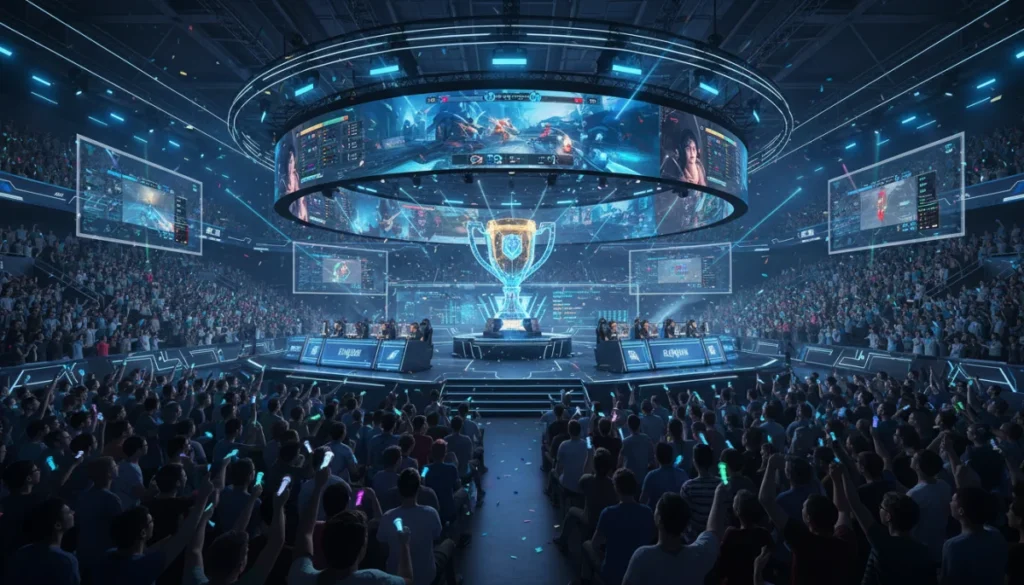
The future of esports leagues in 2026 will be defined by five pivotal trends: hyper-personalized fan experiences, robust player welfare programs, diversified revenue streams, advanced technological integration, and a stronger emphasis on regional ecosystems.
The landscape of competitive gaming is evolving at an unprecedented pace. As we look towards 2026, understanding the future of esports leagues is crucial for fans, investors, and participants alike. This deep dive explores the transformative trends poised to redefine how we experience professional gaming.
Hyper-Personalized Fan Engagement and Interactive Broadcasts
The era of passive viewing in esports is rapidly drawing to a close. By 2026, esports leagues will pivot heavily towards creating deeply personalized and interactive experiences for their global audience. This shift isn’t just about watching a game; it’s about becoming an integral part of the narrative and the competitive journey.
Advanced Viewer Customization
Imagine tuning into a live esports match and having the power to dictate your viewing experience. This level of customization will become standard. Viewers will gain control over camera angles, data overlays, and even the commentary team, allowing for an unparalleled personalized broadcast.
- Multi-POV Streams: Seamless switching between individual player perspectives.
- Customizable HUDs: Viewers can select which in-game statistics and analytics are displayed.
- Dynamic Commentary Options: Choose from different language commentators, analytical experts, or even community casters.
Beyond visual customization, audio experiences will also be tailored. Fans might be able to isolate in-game sound effects, team communications, or crowd noise, creating an immersive atmosphere that caters to their specific preferences. This bespoke approach aims to deepen the connection between the fan and the game, fostering a more engaging and memorable experience.
Interactive Overlays and Real-Time Polling
Broadcasts will integrate real-time interactive elements, transforming spectators into active participants. This includes on-screen polls, trivia, and even direct influence on minor in-game events (e.g., voting for MVP, or selecting charity challenges).
The integration of augmented reality (AR) and virtual reality (VR) will also play a significant role. While full VR spectating might still be niche, AR overlays will become commonplace, offering dynamic statistics, player bios, and even simulated in-game environments directly onto the viewer’s screen, whether it’s a TV or a mobile device. This constant feedback loop between broadcast and viewer ensures that every match is a unique, communal event, driving higher engagement and loyalty.
Player Welfare and Sustainable Career Paths
As esports continues its professionalization, the well-being of its athletes is moving front and center. By 2026, esports leagues will have significantly invested in comprehensive player welfare programs, recognizing that a healthy and supported player base is fundamental to the long-term sustainability and integrity of the sport.
Holistic Health and Performance Support
The demanding nature of competitive gaming requires robust support systems. Teams and leagues are increasingly providing resources that go beyond just in-game coaching. This includes physical conditioning, mental health services, and nutritional guidance to ensure players can perform at their peak without burnout.
- Dedicated Sports Psychologists: Addressing stress, performance anxiety, and team dynamics.
- Physical Trainers: Combating repetitive strain injuries and promoting overall fitness.
- Nutritional Programs: Optimizing diet for cognitive function and sustained energy.
These initiatives are crucial for extending player careers and preventing early retirement due to health issues. Leagues are establishing minimum standards for player environments, ensuring that training facilities and living conditions contribute positively to athlete well-being.
Post-Career Planning and Education
The relatively short career span of many esports professionals necessitates robust post-career planning. Leagues are beginning to offer educational programs and career development opportunities to help players transition once their competitive days are over. This might include financial literacy workshops, educational scholarships, and networking opportunities within the broader gaming industry.
The focus is on creating a sustainable ecosystem where players feel secure about their future, reducing the pressure to perform at all costs and fostering a healthier competitive environment. This commitment to player welfare not only benefits the athletes but also enhances the league’s reputation and attracts new talent, ensuring a vibrant and ethical competitive scene for years to come.
Diversified Revenue Streams and Economic Stability
The financial models supporting esports leagues are maturing, moving beyond traditional sponsorships to embrace a wider array of revenue streams. By 2026, economic stability will be paramount, driven by innovative approaches to monetization that secure the future of competitive gaming.
Fan-Centric Monetization
Direct engagement with the fanbase will become a significant revenue driver. This includes premium content subscriptions, battle passes for league-specific in-game items, and crowdfunding initiatives tied to specific teams or tournaments. The aim is to offer unique value propositions that fans are willing to pay for, creating a more direct financial link between supporters and the leagues/teams they follow.
Merchandise will also evolve, moving beyond simple team jerseys to embrace limited-edition collaborations with fashion brands, digital collectibles (NFTs), and personalized fan gear. These exclusive offerings tap into the strong identity and community spirit inherent in esports fandom.
Media Rights and Data Monetization
The value of media rights for esports content continues to climb. By 2026, leagues will negotiate sophisticated deals with streaming platforms and traditional broadcasters, often involving tiered access or regional exclusivity. Furthermore, the vast amount of data generated by competitive play—player statistics, viewership habits, in-game analytics—presents a lucrative opportunity.
Leagues will increasingly monetize this data through partnerships with analytics firms, betting companies (under strict ethical guidelines), and even game developers looking for insights into player behavior and game balance. This data-driven approach not only generates revenue but also provides valuable insights for improving the viewer experience and competitive integrity.
Advanced Technological Integration: AI and Analytics
Technology has always been at the core of esports, but by 2026, the integration of artificial intelligence (AI) and advanced analytics will reach new heights, transforming everything from player training to broadcast production and competitive integrity.
AI-Powered Performance Analysis
Coaching staffs will leverage AI tools to analyze vast amounts of gameplay data, identifying micro-optimizations in player movement, decision-making, and team coordination that are imperceptible to the human eye. This will lead to more sophisticated strategies and even more intense competition.
- Predictive Analytics: AI models will forecast opponent strategies and player tendencies.
- Personalized Training Regimens: AI will design custom practice routines based on individual player weaknesses.
- Real-time Feedback: During scrims, AI can provide instant feedback on execution and positioning.
This level of data-driven insight will democratize access to elite coaching methodologies, allowing teams with smaller budgets to compete more effectively by optimizing their limited resources.
Enhanced Broadcasts and Anti-Cheat Systems
AI will also revolutionize the viewer experience. AI-driven cameras will intelligently follow the most exciting action, automatically generate highlight reels, and even provide real-time statistical overlays that explain complex in-game situations. This ensures that broadcasts are always dynamic and informative, catering to both seasoned fans and newcomers.
Crucially, AI will play an even more vital role in maintaining competitive integrity. Advanced AI anti-cheat systems will be capable of detecting novel cheating methods with greater accuracy and speed, ensuring a fair playing field. Machine learning algorithms can identify anomalous player behaviors that indicate cheating, safeguarding the competitive spirit of esports leagues. The integration of these technologies will elevate the strategic depth of games and the fairness of competition.
The Rise of Regional Ecosystems and Grassroots Development
While global tournaments capture massive attention, the future of esports leagues in 2026 will see a significant strengthening of regional ecosystems. This shift emphasizes local talent development, community engagement, and creating sustainable pathways for aspiring professionals.
Localized Leagues and Talent Scouting
Instead of a purely top-down global structure, leagues will invest heavily in regional circuits that feed into national and international competitions. This creates more accessible entry points for new talent and fosters local rivalries, driving community interest.
Scouting networks will become more sophisticated, leveraging data analytics and local community organizers to identify promising players from diverse backgrounds. This ensures that talent isn’t overlooked due to geographical barriers or lack of exposure, creating a more equitable playing field for aspiring pros.
Community Engagement and Local Venues
Esports will increasingly become a local community event. Dedicated esports venues, internet cafes, and community centers will host amateur tournaments, viewing parties, and fan meet-ups. This grassroots engagement builds a loyal local fanbase and provides a tangible connection to the professional scene.
The focus on regional development also means tailored content and marketing strategies for different cultural contexts. Leagues will adapt their messaging and outreach to resonate with local audiences, fostering a sense of ownership and pride within each community. This decentralized approach ensures broader participation and a more robust pipeline of talent for the top tiers of competitive gaming.
| Key Trend | Brief Description |
|---|---|
| Personalized Fan Engagement | Customizable broadcasts, interactive overlays, and AR/VR integration for unique viewer experiences. |
| Player Welfare | Holistic support for mental and physical health, plus post-career planning for athletes. |
| Diversified Revenue | Beyond sponsorships, includes fan-centric monetization, media rights, and data monetization. |
| Regional Ecosystems | Focus on local talent development, community engagement, and grassroots growth for sustainability. |
Frequently Asked Questions About Esports Leagues in 2026
Fan engagement will become hyper-personalized, allowing viewers to customize camera angles, data overlays, and commentary. Interactive elements like real-time polling and augmented reality will also be integrated, transforming passive spectators into active participants in the live broadcast experience.
Esports leagues will significantly invest in holistic player welfare programs, including dedicated sports psychologists, physical trainers, and nutritional guidance. There will also be a greater emphasis on post-career planning, offering educational and financial literacy programs to ensure long-term athlete well-being.
Economic stability will come from diversified revenue streams beyond traditional sponsorships. This includes fan-centric monetization through premium content and unique merchandise, as well as sophisticated media rights deals and the strategic monetization of valuable in-game and viewership data.
AI and analytics will revolutionize player training through performance analysis, predictive insights, and personalized regimens. They will also enhance broadcasts with intelligent camera work and real-time statistics, while advanced AI anti-cheat systems will be crucial for maintaining competitive integrity and fair play.
Regional ecosystems are crucial for sustainable growth, fostering local talent development and community engagement. They create accessible pathways for aspiring professionals, build stronger local fanbases, and ensure a diverse and continuous pipeline of talent for national and international competitions, strengthening the entire esports landscape.
Conclusion
The journey towards 2026 for esports leagues is one of dynamic evolution and profound transformation. The trends outlined—hyper-personalized fan engagement, robust player welfare, diversified revenue streams, advanced technological integration, and the strengthening of regional ecosystems—paint a picture of a mature, sustainable, and incredibly engaging industry. These pillars will not only elevate the competitive experience for players but also deepen the connection for fans, ensuring that esports continues its meteoric rise as a global phenomenon. The future promises a richer, more interactive, and ethically sound competitive gaming landscape for everyone involved.
