Injury Impact on Transfer Value: 2026 Club Risk Assessment
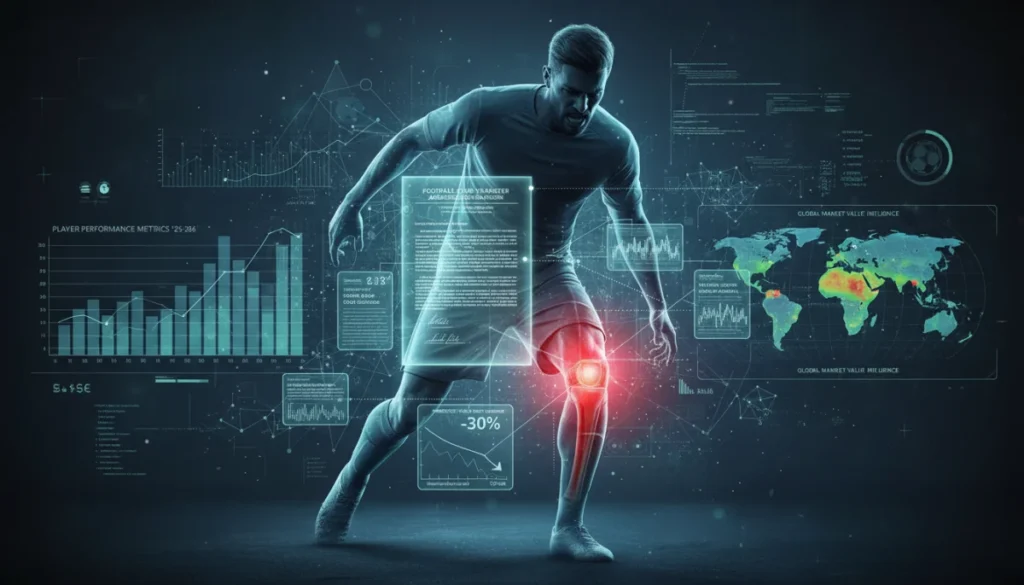
Clubs in 2026 meticulously evaluate the injury impact on transfer value by integrating advanced medical, financial, and performance analytics to mitigate acquisition risks.
Have you ever wondered how a player’s injury history truly affects their market worth? In the high-stakes world of professional football, understanding the injury impact on transfer value has become a critical determinant for clubs looking to make smart acquisitions in 2026. This article delves into the intricate methods clubs employ to assess and mitigate the risks associated with injured players, ensuring their investments are sound.
The Evolving Landscape of Player Injury Assessment
The football transfer market in 2026 is a battlefield of data and strategy, where every piece of information about a potential signing is scrutinized. Player injuries, once a somewhat subjective concern, are now analyzed with unprecedented scientific rigor. Clubs are no longer relying solely on past medical reports but are employing predictive analytics and AI to forecast future injury risks and their potential impact on a player’s career longevity and performance.
This shift from reactive to proactive assessment is driven by the enormous financial commitments involved in modern transfers. A single long-term injury can derail a player’s career, cost a club millions in lost performance, and significantly diminish their resale value. Therefore, understanding the nuances of injury assessment is paramount for any club aiming for sustained success.
Advanced Medical Imaging and Diagnostics
One of the cornerstone advancements in injury assessment is the sophisticated use of medical imaging. Beyond standard MRI and X-rays, clubs now utilize advanced techniques to gain a deeper understanding of a player’s physical condition.
- High-Resolution MRI: Provides incredibly detailed images of soft tissues, allowing for early detection of micro-tears or degenerative changes that might predispose a player to future injuries.
- 3D Biomechanical Analysis: Captures a player’s movement patterns in real-time, identifying biomechanical inefficiencies or imbalances that could lead to overuse injuries.
- Wearable Tech Integration: Continuous monitoring of physiological data during training and matches helps track fatigue levels, recovery rates, and potential injury precursors.
These diagnostic tools provide a comprehensive physiological profile, enabling medical teams to assess a player’s current health status and potential vulnerabilities with greater accuracy than ever before. This data is then fed into complex models to quantify the risk.
The integration of these technologies has transformed the medical evaluation process from a simple check-up to a deep dive into a player’s physical resilience. Clubs understand that a player’s body is their most valuable asset, and protecting that asset begins with a thorough and technologically advanced assessment.
Financial Implications: Valuing Risk in Transfers
The financial impact of player injuries on transfer value is immense and multi-faceted. Clubs must not only consider the immediate cost of the transfer fee but also the potential for lost performance, rehabilitation expenses, and the depreciation of the player’s market value. In 2026, sophisticated financial models are employed to quantify these risks, turning what was once an intuitive decision into a data-driven investment analysis.
These models account for various factors, including the player’s age, injury history, position, and the expected length and severity of any potential future injuries. The goal is to arrive at a risk-adjusted transfer value, which can significantly differ from an unadjusted market valuation.
Insurance and Contingency Clauses
To mitigate financial exposure, clubs are increasingly relying on robust insurance policies and carefully crafted contingency clauses within transfer agreements. These mechanisms provide a safety net against unforeseen circumstances.
- Player Injury Insurance: Comprehensive policies now cover not only salary continuation during injury but also a portion of the transfer fee if a player’s career is prematurely ended or severely impacted.
- Performance-Related Add-ons: Transfer fees are often structured with performance-based add-ons, which can be adjusted or voided if injuries prevent a player from meeting specific targets.
- Conditional Payments: A portion of the transfer fee might be contingent on the player remaining fit for a certain period or reaching a minimum number of appearances, directly linking payment to fitness.
These financial safeguards are crucial in an era where transfer fees can reach astronomical figures. They allow clubs to protect their investments while still pursuing top talent, even those with a checkered injury past. The negotiation of these clauses has become a specialized area within transfer talks.
Ultimately, the financial assessment of injury risk is about balancing ambition with prudence. Clubs want to sign the best players, but they must do so in a way that protects their long-term financial stability. This delicate balance is achieved through meticulous financial modeling and strategic contractual arrangements.
Performance Analytics: Projecting Post-Injury Returns
Beyond the immediate medical and financial concerns, clubs in 2026 are deeply invested in understanding how injuries might affect a player’s future performance. This involves advanced performance analytics, which aim to predict a player’s return to form, or even improvement, following rehabilitation. The focus is not just on recovery but on the quality and sustainability of that recovery.
Data scientists and sports analysts work alongside medical teams to analyze historical data of similar injuries, comparing recovery trajectories and performance metrics. This helps to establish benchmarks and realistic expectations for a player’s reintegration into competitive play.
Predictive Modeling for Player Performance
Predictive models are at the forefront of this analytical endeavor. These models ingest vast amounts of data to forecast a player’s post-injury output.
- Historical Injury Data: Analyzing thousands of past player injuries to identify patterns in recovery times, re-injury rates, and performance dips or resurgence.
- Biometric Data: Incorporating data from wearable sensors and training metrics to understand a player’s physical readiness and how it correlates with performance.
- Match Performance Metrics: Evaluating a player’s statistical output (passes, tackles, goals, assists) before and after injuries to identify any significant changes in effectiveness.
The insights derived from these models help clubs make informed decisions about whether a player can return to their previous level, or if their style of play might need to adapt. This predictive capability is vital for projecting a player’s long-term contribution and, consequently, their true value.
Understanding the likelihood of a player regaining their peak form, or even surpassing it, is a complex challenge. However, the advancements in performance analytics are providing clubs with clearer answers, allowing them to assess the long-term viability of an acquisition with greater confidence.
Psychological Impact and Player Resilience
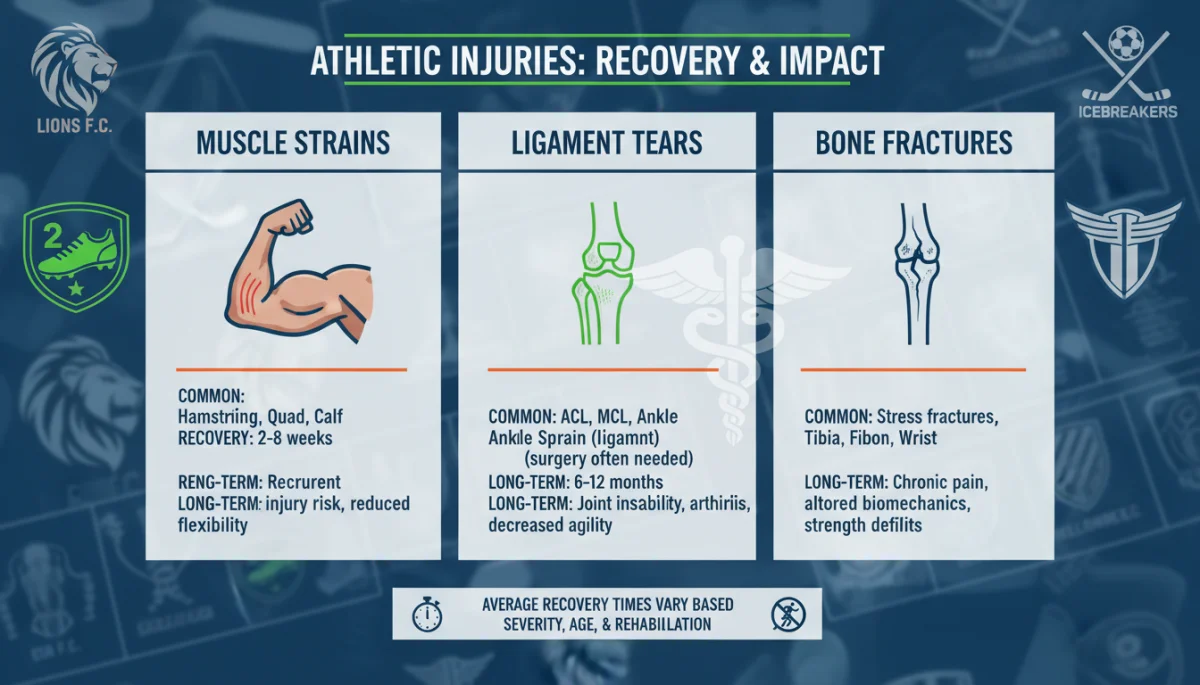
While physical recovery is paramount, the psychological impact of injuries on a player’s mental state and resilience is an increasingly recognized factor in transfer evaluations. A player’s ability to cope with rehabilitation, overcome setbacks, and return to competitive action with confidence can significantly influence their long-term success. Clubs in 2026 are paying closer attention to these often-overlooked aspects.
Sports psychologists are now integral parts of club scouting and medical teams. They assess a player’s mental fortitude, their coping mechanisms, and their intrinsic motivation to return stronger. This psychological profile adds another layer of depth to the overall risk assessment.
Assessing Mental Fortitude and Support Systems
Evaluating a player’s psychological resilience involves a combination of interviews, psychological assessments, and an understanding of their personal support network.
- Psychological Profiling: Using standardized tests and interviews to gauge a player’s mental toughness, emotional regulation, and ability to handle pressure and adversity.
- Rehabilitation Engagement: Observing a player’s commitment and attitude during previous rehabilitation periods, if applicable, to understand their dedication to recovery.
- Support Network Analysis: Understanding the player’s family support, agent relationships, and access to professional mental health resources, which can significantly aid recovery.
A player with a strong mental game and a robust support system is often seen as a lower risk, even if their injury history is not pristine. Their ability to push through adversity and maintain a positive outlook can accelerate recovery and ensure a more successful return to play.
The recognition of the psychological dimension highlights a holistic approach to player assessment. Clubs understand that a player is more than just their physical attributes; their mental strength is equally vital, especially when navigating the challenges of injury and recovery.
Legal and Ethical Considerations in Data Collection
The extensive data collection involved in assessing player injuries raises significant legal and ethical questions. Clubs must navigate complex regulations regarding player privacy, data protection, and the responsible use of sensitive medical information. In 2026, these considerations are front and center, shaping how data is collected, stored, and utilized during the transfer process.
Compliance with data protection laws, such as GDPR in Europe and similar regulations globally, is paramount. Players have rights regarding their medical information, and clubs must ensure transparency and obtain explicit consent for data sharing and analysis, particularly when sharing information between clubs during transfer negotiations.
Ensuring Data Privacy and Player Consent
Establishing clear protocols for data handling is essential to maintain trust and adhere to legal standards.
- Informed Consent: Players must be fully informed about what medical and performance data will be collected, how it will be used, and with whom it will be shared during a transfer.
- Data Anonymization and Security: Implementing robust measures to anonymize data where possible and secure it against unauthorized access, ensuring player confidentiality.
- Data Retention Policies: Defining clear policies on how long player data will be stored and when it will be deleted, adhering to legal requirements and ethical best practices.
The ethical landscape also extends to how this data influences player careers. The potential for discrimination based on injury history, even if unintentional, is a concern. Clubs must ensure their assessment processes are fair, objective, and do not unfairly penalize players based on past medical issues that may no longer be relevant.
Navigating these legal and ethical complexities requires a sophisticated understanding of both sports law and data governance. Clubs that prioritize transparency and ethical data practices will not only comply with regulations but also foster a more trusting relationship with players and their representatives.
Future Trends: AI, Genomics, and Personalized Medicine
Looking ahead to 2026 and beyond, the assessment of injury impact on transfer value is poised for even greater transformation with the advent of advanced technologies. Artificial intelligence, genomics, and personalized medicine are set to revolutionize how clubs understand, predict, and manage player health, further refining transfer strategies.
AI algorithms are becoming increasingly sophisticated at identifying subtle patterns in vast datasets that human analysts might miss, leading to more accurate injury predictions and performance forecasts. Genomics, the study of an organism’s entire set of DNA, holds the promise of understanding individual predispositions to certain injuries or recovery rates, allowing for truly personalized medical approaches.
The Role of Genomics in Injury Prediction
Genomic data could offer unprecedented insights into a player’s biological makeup and inherent risks.
- Genetic Predisposition: Identifying genetic markers associated with increased risk for specific injuries, such as ACL tears or muscle strains, allowing for targeted preventative strategies.
- Personalized Recovery Protocols: Tailoring rehabilitation programs based on an individual’s genetic profile, optimizing healing processes and return-to-play timelines.
- Nutritional and Training Optimization: Using genomic insights to recommend personalized nutrition plans and training regimens that minimize injury risk and maximize performance potential.
This personalized approach to player health management promises to move beyond generalized protocols, offering bespoke strategies for each athlete. However, the ethical implications of using genomic data in sports, particularly in the context of transfers, will require careful consideration and robust regulatory frameworks.
The integration of these cutting-edge technologies will undoubtedly make the assessment of injury impact even more precise and predictive. Clubs that embrace these advancements responsibly will gain a significant competitive edge in the relentless pursuit of talent.
Mitigating Risk: Strategies for Smart Acquisitions
For clubs in 2026, mitigating the risk associated with player injuries is not just about identifying potential problems; it’s about developing comprehensive strategies to make smart, informed acquisitions. This involves a multi-disciplinary approach that integrates medical, financial, performance, and psychological insights into a cohesive decision-making framework. The goal is to maximize the return on investment while minimizing the chances of signing an injury-prone player who fails to deliver.
Effective risk mitigation starts long before a transfer bid is even considered. It begins with a thorough scouting process that looks beyond on-field performance to a player’s overall health and professional habits. Clubs are investing heavily in dedicated medical and sports science departments to provide continuous oversight and expert analysis throughout the transfer window and beyond.
Comprehensive Due Diligence Protocols
A robust due diligence process is the cornerstone of mitigating injury risk in transfers.
- Pre-Contract Medicals: These are no longer just routine check-ups but extensive, multi-day examinations involving specialists across various disciplines, utilizing all available advanced diagnostic tools.
- Historical Data Analysis: A deep dive into a player’s complete medical history, including minor ailments, recovery periods, and any recurring issues, looking for red flags or patterns.
- Interviewing Previous Medical Staff: Where permissible and ethical, discussions with medical staff from previous clubs can provide invaluable context and insights into a player’s injury management and resilience.
- Scenario Planning: Developing contingency plans for various injury scenarios, including estimated recovery times, potential impact on team performance, and financial implications.
By implementing these rigorous protocols, clubs can build a holistic picture of a player’s health status and potential risks. This comprehensive approach allows them to make data-backed decisions, ensuring that the excitement of signing a new player is tempered with a realistic understanding of the associated injury risks.
Ultimately, smart acquisitions in 2026 are those where clubs have meticulously assessed every angle of a player’s profile, especially concerning their physical durability. This proactive and detailed risk mitigation strategy is essential for navigating the complexities of the modern transfer market.
| Key Aspect | Brief Description |
|---|---|
| Medical Assessment | Advanced diagnostics and predictive analytics to gauge current health and future injury risk. |
| Financial Mitigation | Insurance and contingency clauses protect investments against injury-related losses. |
| Performance Projection | Data models forecast post-injury performance, aiding long-term value assessment. |
| Psychological Factors | Assessing mental resilience and support systems for effective rehabilitation and return. |
Frequently Asked Questions
Clubs use advanced financial models that factor in a player’s age, injury history, position, and potential future injury severity. They also employ insurance policies and contingent clauses in contracts to mitigate financial exposure from long-term injuries or career-ending events.
By 2026, AI algorithms analyze vast datasets for injury prediction and performance forecasting. Genomics helps identify genetic predispositions to specific injuries and informs personalized recovery protocols, offering highly tailored medical and training strategies for players.
A player’s mental fortitude, resilience, and commitment during rehabilitation are crucial. Clubs assess these psychological attributes, as a strong mental game and robust support system can significantly impact recovery success and return to peak performance, influencing their perceived value.
Clubs must adhere to strict data protection laws like GDPR, ensuring player privacy and obtaining explicit consent for data collection and sharing. Ethical considerations also apply to prevent discrimination based on injury history, promoting fair and transparent assessment practices.
Clubs utilize comprehensive due diligence, including advanced medicals and historical data analysis. They also employ performance analytics to project post-injury returns, alongside psychological support, to ensure a player’s physical and mental readiness for competitive play.
Conclusion
The landscape of football transfers in 2026 is undeniably shaped by the intricate assessment of injury impact on transfer value. Clubs are employing a sophisticated blend of advanced medical diagnostics, rigorous financial modeling, predictive performance analytics, and psychological evaluations to make informed decisions. This multi-faceted approach ensures that while the allure of top talent remains, the associated risks are meticulously quantified and mitigated. As technology continues to evolve, the precision with which clubs can evaluate a player’s health and future potential will only increase, making the transfer market an even more data-driven and strategic environment. For both players and clubs, understanding these dynamics is paramount for navigating the complexities of modern football.
