The Greatest Goalkeepers in Soccer History
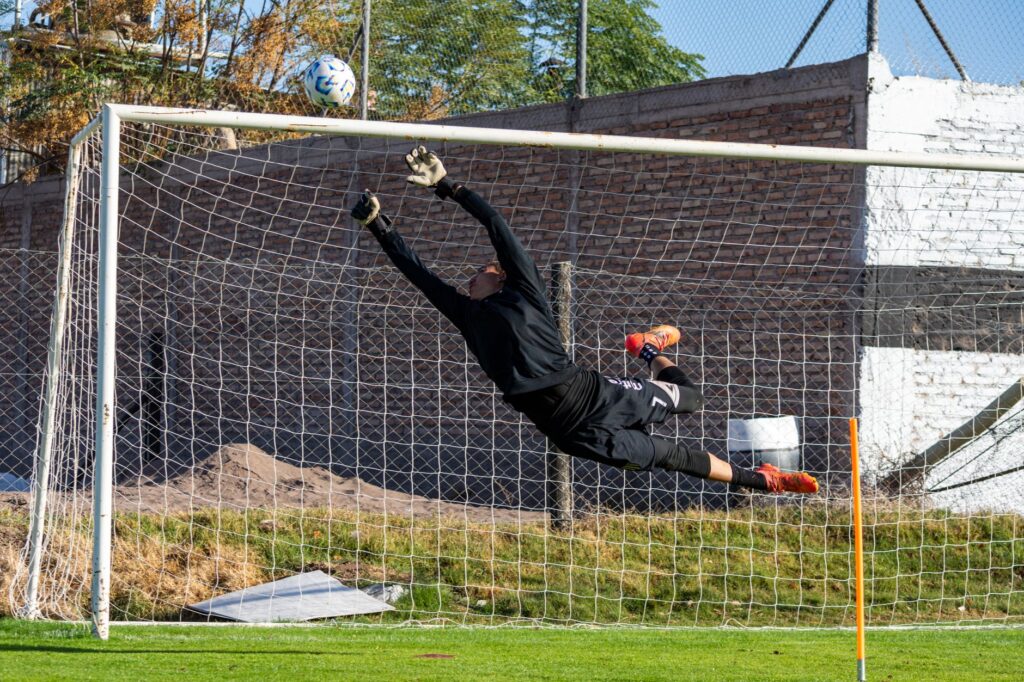
Goalkeepers occupy a strange place in soccer’s collective memory. They’re often only remembered vividly for the goals they conceded rather than the hundreds of saves that kept their team in a match, and yet a handful of keepers across the sport’s history managed to become genuinely iconic figures in their own right, changing how the position itself was understood.
Lev Yashin, the Standard Bearer
Soviet goalkeeper Lev Yashin remains the only player at his position to ever win the Ballon d’Or, taking the award in 1963 at a time when the honor almost exclusively went to outfield stars. Nicknamed the Black Spider for his all-black kit and his ability to seemingly cover the entire goal, Yashin was also credited with popularizing the modern practice of a goalkeeper commanding their penalty area and organizing the defense verbally, rather than simply reacting to shots as they came. His shot-stopping reputation, combined with his willingness to come off his line and claim crosses decisively, set a template that goalkeeping coaches referenced for decades afterward.
Gordon Banks and the Save of the Century
English goalkeeper Gordon Banks is remembered above all for a single moment, a diving save against Pele’s downward header at the 1970 World Cup that is still routinely replayed as one of the greatest stops in the sport’s history. But Banks’s broader career, including England’s 1966 World Cup win, reflected a goalkeeper whose positioning and reflexes were consistently ahead of his era, even before the save that made him a household name across the football world.
Buffon’s Longevity and Positioning
Gianluigi Buffon’s career, spanning roughly two decades at the top level of Italian and European football, is frequently cited as the gold standard for pure shot-stopping technique. Buffon’s game relied heavily on anticipation and positioning rather than spectacular athleticism alone, reading a striker’s body shape and shot angle a fraction of a second before the ball was struck, which allowed him to already be moving in the right direction rather than reacting after the fact. His ability to maintain elite performance levels well into his forties, still starting competitive matches at an age when most goalkeepers had long retired, remains one of the most remarkable longevity stories at any position in the sport.
The Rise of the Sweeper-Keeper
Modern tactical trends, particularly the high defensive lines discussed elsewhere in soccer tactics, have transformed what teams demand from a goalkeeper. Manuel Neuer became the defining figure of this shift, a goalkeeper comfortable operating well outside his own penalty area to sweep up through balls behind a high back line, essentially functioning as an additional outfield defender whenever his team pushed forward. Neuer’s willingness and ability to do this reliably, combined with strong distribution with his feet to help his team build attacks from the back, redefined what clubs looked for when developing young goalkeepers, shifting emphasis away from pure shot-stopping toward a much broader skill set.
What Actually Separates Elite Goalkeepers
Across every era, the goalkeepers remembered as truly great share a few consistent traits beyond raw reflexes: command of their penalty area on crosses and set pieces, the composure to make correct decisions under intense pressure in one-on-one situations, and the mental resilience to move past a costly mistake within seconds rather than let it affect the rest of the match. Because a single error at this position is often magnified far more than an outfield mistake, that psychological resilience is arguably as important to the position’s history as any single save.
