The Greatest Derbies in Soccer History
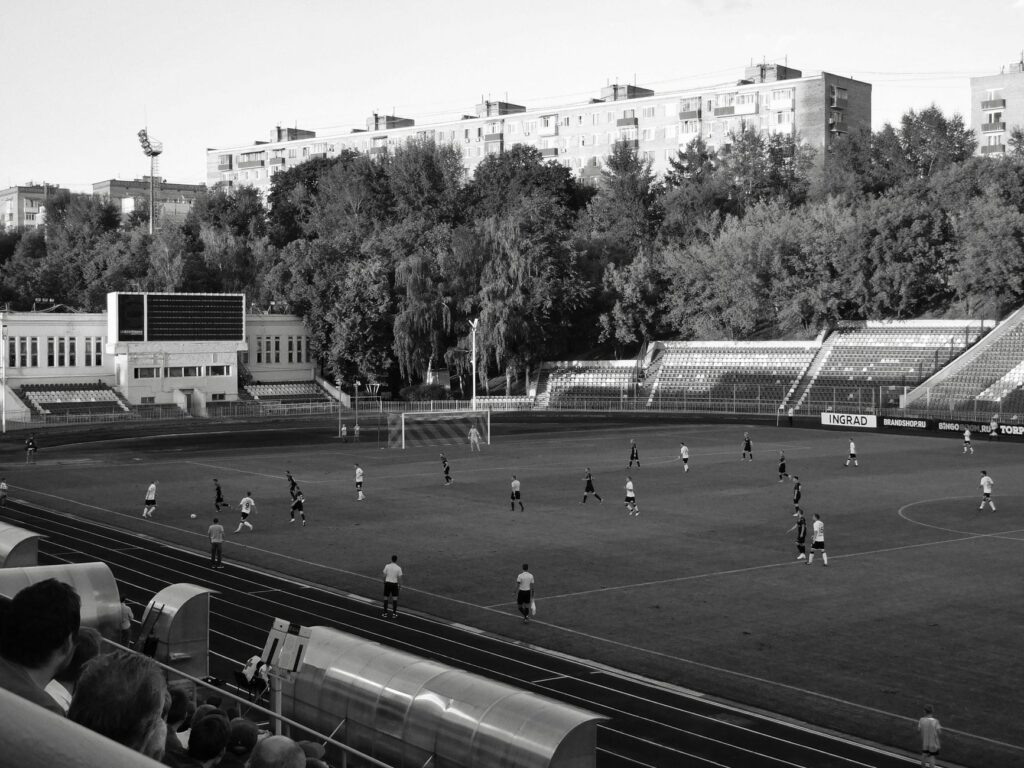
Some matches carry stakes that go far beyond three league points. Derby fixtures, contests between clubs bound together by geography, history or deep political and religious divides, generate an intensity that neutral matches simply can’t replicate, no matter how much silverware is on the line elsewhere in a given season.
El Clasico: Real Madrid vs Barcelona
No derby carries more global attention than the fixture between Real Madrid and Barcelona, a rivalry that stretches back over a century and is layered with regional and political history far beyond soccer itself. Barcelona has long positioned itself as more than a football club, a symbol of Catalan identity and, during the Franco era, a rare outlet for regional expression when other forms of Catalan cultural assertion were suppressed. Real Madrid, based in the Spanish capital, became associated in that same historical period with the central government, giving the fixture a political undertone that has never fully disappeared even as the sport itself has become more commercialized and globalized. On the pitch, the rivalry has been elevated further by golden eras for both clubs happening to overlap, from the Ronaldo-Messi individual duel of the 2010s to decades of alternating dominance in Spanish and European competition.
The Old Firm: Celtic vs Rangers
Glasgow’s Old Firm derby between Celtic and Rangers is widely considered the most sectarian rivalry in world football, historically dividing along religious lines, with Celtic traditionally associated with the city’s Catholic and Irish nationalist community and Rangers associated with the Protestant and unionist community. The intensity of that historical divide has occasionally spilled beyond the stadium and into broader civic tension in Glasgow, making the fixture a subject of ongoing conversation about sectarianism in Scottish society well outside pure football commentary. On the pitch, the two clubs have combined to win the overwhelming majority of Scottish league titles in the competition’s history, meaning the derby frequently doubles as a direct title decider.
The Milan Derby: Inter vs AC Milan
Sharing the same stadium, the San Siro, adds a unique dimension to the Derby della Madonnina between Inter Milan and AC Milan, since the two clubs essentially trade home advantage in the exact same venue multiple times a season. The rivalry lacks the overt political or religious dimension of some other derbies on this list, and is instead built almost purely on decades of alternating success between two historically massive European clubs, along with a class-inflected mythology, with Inter historically associated with the city’s traditional bourgeoisie and Milan with a broader working-class fanbase, though the distinction has faded considerably over the decades.
The Superclasico: Boca Juniors vs River Plate
Argentina’s Superclasico between Boca Juniors and River Plate is frequently cited by international football media as the most hostile atmosphere in the sport, a reputation built on the sheer volume and intensity of both fan bases inside the stadium. The rivalry also carries a class dimension, with Boca traditionally associated with the working-class dockside neighborhood of La Boca and River historically associated with a wealthier segment of Buenos Aires society, a divide reflected in decades of nicknames both fan bases still use for each other.
Why Derbies Matter Beyond the Table
What separates a genuine derby from any other high-profile match is that the result carries emotional weight independent of league position or trophy implications. A club fighting relegation can still consider beating its fiercest rival the highlight of an otherwise disastrous season, while a title-winning campaign can feel incomplete to supporters if it included a home defeat to the club across town. That emotional asymmetry, where the result matters more than the broader context around it, is what has kept these fixtures central to soccer culture across generations of fans who may otherwise have little interest in the wider table.
