NASCAR’s 2026 Next Gen Car Development: Innovations & Rule Changes
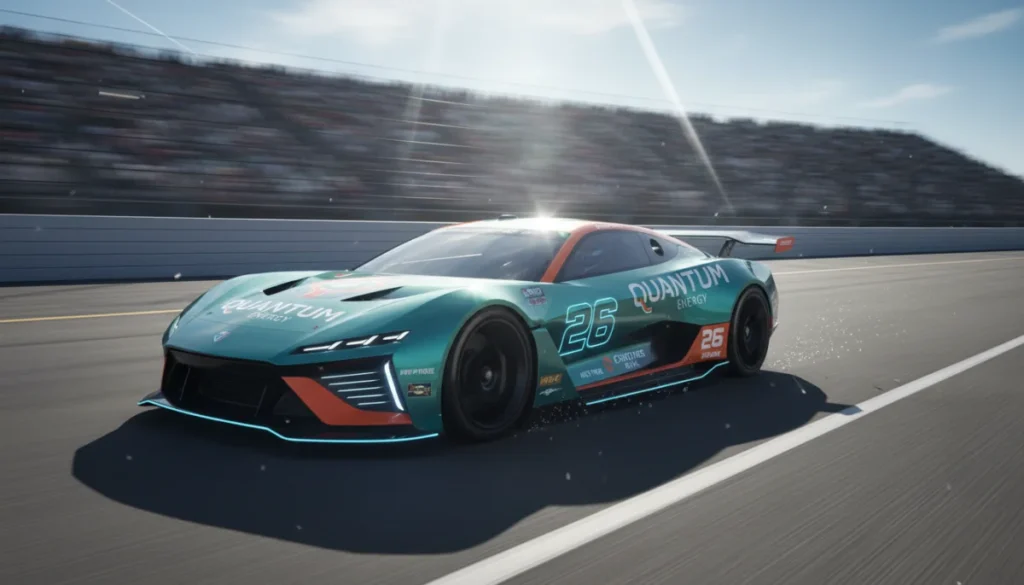
NASCAR’s 2026 Next Gen car development is actively pursuing performance comparisons and significant rule changes to redefine the sport’s technical landscape and competitive balance, drawing on extensive analysis and recent updates.
The world of stock car racing is on the cusp of another monumental shift as NASCAR actively pursues the development of its NASCAR 2026 Next Gen car. This isn’t merely an incremental update; it represents a comprehensive overhaul designed to address current challenges, enhance competition, and future-proof the sport. Fans and teams alike are eager to understand the implications of these changes, from performance metrics to the intricate rule modifications that will govern this new era.
The genesis of the 2026 Next Gen initiative
The journey towards the 2026 Next Gen car began with a critical evaluation of the current Next Gen model, introduced in 2022. While the current iteration brought significant advancements, particularly in terms of cost control and parity, it also presented new challenges, notably in short-track and road-course racing. The 2026 initiative aims to refine these aspects, building on lessons learned and integrating feedback from drivers, teams, and fans.
NASCAR’s objective is multifaceted: to create a car that is safer, more relevant to production vehicles, and fundamentally better for racing. This involves a collaborative process with manufacturers, parts suppliers, and engineering firms, ensuring a holistic approach to design and performance. The emphasis is on continuous improvement, ensuring that the next generation of stock cars truly elevates the spectacle of NASCAR.
Addressing current Next Gen challenges
- Short-track performance: The current Next Gen car has struggled to produce the close-quarters racing fans expect on shorter ovals, often leading to single-groove racing.
- Aerodynamic sensitivity: Drivers have frequently cited the car’s high sensitivity to aerodynamic disturbances, making it difficult to follow closely and pass.
- Tire degradation: While intentional, achieving the right balance of tire wear to promote strategy and exciting racing has been an ongoing tuning process.
The development process for the 2026 model is a direct response to these points, seeking to engineer solutions that will bring back the excitement and unpredictability that are hallmarks of NASCAR racing. It’s about finding the sweet spot between cutting-edge technology and traditional racing values.
Performance comparison: current vs. 2026 targets
A core element of the 2026 Next Gen project is a rigorous performance comparison against the existing car. Engineers are looking at everything from horsepower delivery and downforce levels to suspension geometry and braking efficiency. The goal isn’t just to make the car faster, but to make it race better, particularly in traffic and on diverse track layouts.
Early simulations and prototype testing are focused on reducing dirty air effects, increasing mechanical grip, and potentially re-evaluating the engine package. These changes are expected to foster more dynamic racing, where driver skill and car setup have a more pronounced impact on performance. The balance between raw speed and raceability is paramount.
Key performance targets for 2026
- Reduced aerodynamic wash: Designing bodywork and underbody components to minimize the turbulent air generated, allowing cars to follow more closely.
- Increased mechanical grip: Exploring changes to suspension, tire compounds, and weight distribution to enhance grip independent of aerodynamics.
- Optimized horsepower-to-weight ratio: Adjusting engine output and car weight to ensure competitive speeds while promoting better handling and fuel efficiency.
These targets are not merely theoretical; they are backed by extensive data analysis, wind tunnel testing, and feedback from a diverse group of stakeholders, including veteran drivers and engineering teams. The aim is to create a car that rewards aggressive driving and strategic decision-making, leading to more compelling on-track action.
Anticipated rule changes and their impact
Hand-in-hand with the physical development of the car are the impending rule changes that will define its operation. NASCAR’s rulebook is a living document, constantly evolving to maintain fairness, safety, and competitive balance. For 2026, these changes are expected to be substantial, touching upon virtually every aspect of the race weekend.
From qualifying formats to pit stop procedures, and potentially even points structures, no stone is being left unturned. The overarching philosophy is to simplify where possible, enhance safety, and create an environment where the racing itself is the primary draw. These rules will be developed in consultation with teams and drivers, ensuring that they are practical and effective.
Potential areas for rule modifications
- Aerodynamic package regulations: Stricter controls on adjustable aerodynamic elements to ensure parity and prevent an ‘aero-war’ arms race.
- Engine specifications: Possible adjustments to engine displacement, induction systems, or even the introduction of hybrid components to align with industry trends.
- Safety enhancements: Continuous improvements to driver containment, impact absorption, and fire suppression systems based on ongoing research and incident analysis.
The regulatory framework for the 2026 season will be crucial in shaping the competitive landscape. NASCAR aims to strike a delicate balance between allowing innovation and preventing runaway spending, ensuring that the sport remains accessible and exciting for all participants.
Technological innovations driving the 2026 car
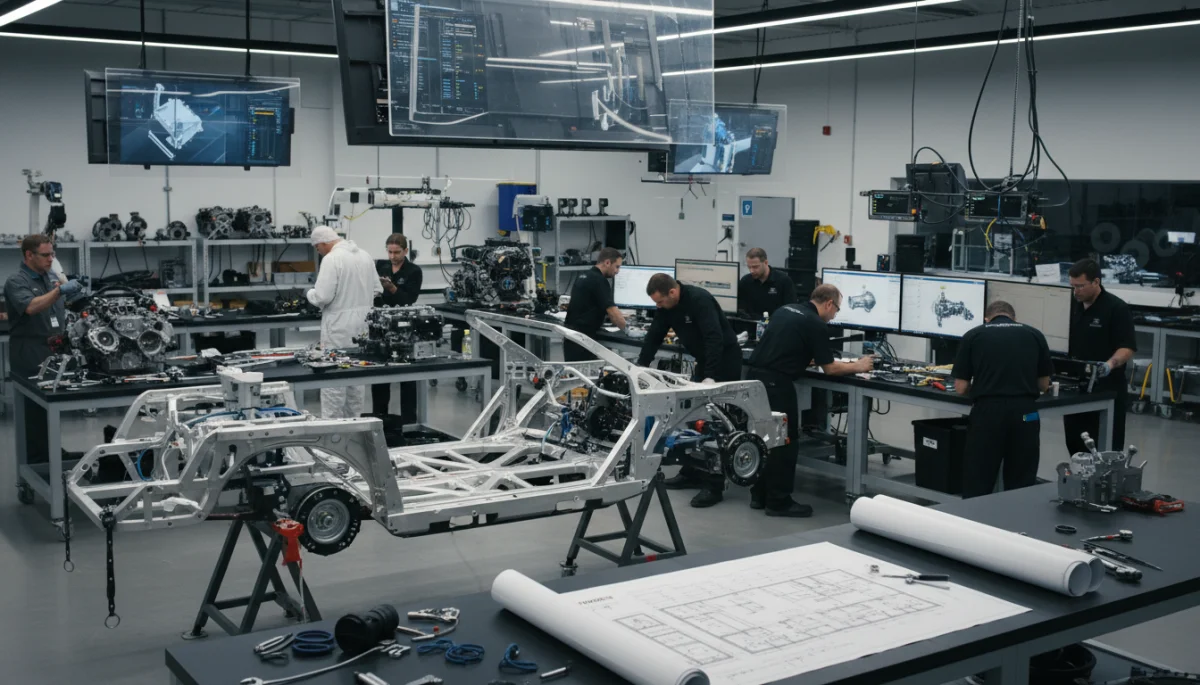
The 2026 Next Gen car is poised to incorporate a host of technological innovations, reflecting advancements in automotive engineering and motorsports. This includes lightweight materials, advanced simulation tools, and potentially new powertrain technologies. The integration of these elements is designed to make the car not only faster and safer but also more sustainable and relevant to future automotive trends.
Carbon fiber composites, 3D printing for specialized parts, and sophisticated data acquisition systems are all expected to play a significant role. These innovations will allow for greater precision in manufacturing, more efficient design iterations, and a deeper understanding of vehicle dynamics, ultimately leading to a more refined racing machine.
Advanced engineering features
- Modular chassis design: Facilitating easier repairs and component changes, potentially reducing costs and improving turnaround times for teams.
- Enhanced driver ergonomics: Improving cockpit comfort and visibility through advanced design, which can contribute to driver performance and safety.
- Data telemetry systems: More sophisticated sensors and real-time data transmission to allow teams to optimize performance and diagnose issues more effectively.
These technological leaps are not just about raw performance; they are about creating a more robust, adaptable, and ultimately more competitive racing platform. The 2026 car will be a testament to NASCAR’s commitment to pushing the boundaries of automotive technology.
Recent updates on the 2026 Next Gen development
Development of the 2026 Next Gen car is an ongoing process, with regular updates emerging from NASCAR and its partners. Recent announcements have focused on initial testing phases, manufacturer commitments, and preliminary design concepts. These updates provide crucial insights into the direction the sport is heading and the challenges being tackled.
Test sessions are being conducted at various tracks to gather data on aerodynamics, tire performance, and overall vehicle dynamics. This iterative process allows engineers to refine designs and make informed decisions based on real-world performance. Manufacturers like Chevrolet, Ford, and Toyota are actively involved, contributing their expertise and ensuring their brand identities are reflected within the new platform.
Key recent developments
- Initial prototype testing: Early versions of the 2026 car have undergone private testing to evaluate fundamental design principles and gather baseline data.
- Manufacturer collaboration: Ongoing discussions and design input from major automotive partners to ensure brand relevance and technical feasibility.
- Aerodynamic package adjustments: Continuous modifications to bodywork and underbody elements based on wind tunnel and track testing feedback.
The transparency and collaborative nature of these updates are vital for building confidence among teams and fans. NASCAR is committed to keeping the community informed as the 2026 Next Gen car takes shape, ensuring a smooth transition into the next chapter of its storied history.
The future of NASCAR racing with the 2026 car
The introduction of the 2026 Next Gen car is expected to usher in a new era for NASCAR, characterized by closer competition, enhanced safety, and greater relevance to the automotive industry. The comprehensive approach to its development, encompassing performance comparisons, rule changes, and technological innovations, aims to address the sport’s current challenges and secure its long-term appeal.
By focusing on reducing aerodynamic dependency, increasing mechanical grip, and integrating advanced safety features, NASCAR intends to create a racing product that is both thrilling for spectators and rewarding for drivers. The emphasis on sustainability and production car relevance will also ensure that the sport continues to resonate with a broader audience and attract new talent.
Expected long-term benefits
- Increased fan engagement: More competitive racing, with more passing and unpredictable outcomes, is expected to boost viewership and attendance.
- Enhanced driver safety: Continuous advancements in safety technology will provide greater protection for competitors.
- Greater manufacturer involvement: A more relevant and technologically advanced car may attract new manufacturers and foster deeper engineering partnerships.
Ultimately, the 2026 Next Gen car is more than just a new vehicle; it is a statement of intent from NASCAR, demonstrating its commitment to innovation, excitement, and the enduring legacy of stock car racing. The future looks bright, promising a compelling blend of tradition and cutting-edge performance.
| Key Aspect | Brief Description |
|---|---|
| Development Focus | Addressing current Next Gen car challenges, especially short-track racing and aerodynamic sensitivity. |
| Performance Goals | Reduce dirty air, increase mechanical grip, optimize horsepower-to-weight ratio for better racing. |
| Rule Changes | Anticipated modifications to aero packages, engine specs, and safety protocols for competitive balance. |
| Technological Innovations | Integration of lightweight materials, advanced simulations, and potential new powertrain technologies. |
Frequently asked questions about the 2026 Next Gen car
The main goals are to enhance racing quality, especially on short tracks and road courses, improve driver safety, and ensure the car’s relevance to modern automotive technology. NASCAR aims for a more competitive and engaging on-track product for fans.
Engineers are focusing on redesigning aerodynamic components, such as the underbody and bodywork, to minimize turbulent air generated by the lead car. This will allow trailing cars to follow more closely and facilitate more passing opportunities.
While specific details are still emerging, NASCAR is evaluating various engine specifications, including potential adjustments to displacement or induction systems. There’s also ongoing discussion about the possible introduction of hybrid components to align with industry trends.
Manufacturers like Chevrolet, Ford, and Toyota are deeply involved in the development process. They contribute engineering expertise, provide design input, and ensure that their brand identities and technical capabilities are integrated into the new car’s platform.
The car is slated for its official debut in the 2026 NASCAR Cup Series season. Extensive testing and development will continue throughout 2024 and 2025 to finalize its design and performance characteristics before its competitive introduction.
Conclusion
The ongoing development of NASCAR’s 2026 Next Gen car represents a crucial juncture for the sport. By meticulously comparing current performance, implementing strategic rule changes, and embracing cutting-edge technological advancements, NASCAR is laying the groundwork for a future that promises more competitive, safer, and inherently thrilling racing. This comprehensive evolution is designed not only to address existing challenges but also to propel stock car racing into a new era of innovation and fan engagement, ensuring its enduring legacy in the American sports landscape.
