NCAA Transfer Portal: 3-Month Window Reshapes 2026 Recruitment
The NCAA Transfer Portal’s 3-month window significantly impacts college sports recruitment for 2026, creating both opportunities and challenges for student-athletes and coaching staffs navigating this dynamic landscape.
The landscape of college athletics is in constant flux, and few mechanisms have reshaped it as profoundly as the NCAA Transfer Portal. Specifically, the implementation of a 3-month window for entry into the NCAA transfer portal 2026 cycle is poised to redefine how student-athletes and programs approach recruitment and roster management. This article delves into the nuances of this critical period, exploring its implications, recent updates, and practical solutions for all stakeholders involved.
Understanding the 3-Month Transfer Window Dynamics
The NCAA’s decision to establish a defined 3-month window for student-athletes to enter the transfer portal has introduced a new layer of strategy and urgency into college sports. This structured period aims to create more predictability for both athletes seeking new opportunities and coaches looking to fill roster spots, moving away from the more fluid and often chaotic previous system.
This concentrated timeframe means that decisions must be made swiftly and strategically. Athletes have a limited window to declare their intention to transfer, and once that window closes, they generally cannot enter the portal until the next designated period. This structure forces a more deliberate approach to career planning and team building.
Key Dates and Deadlines
For the 2026 cycle, understanding the specific dates and deadlines for the transfer portal windows is paramount. While exact dates can shift slightly based on NCAA governance, the general framework remains consistent, typically featuring one window post-fall sports seasons and another post-spring seasons. These windows are carefully chosen to align with academic calendars and championship schedules, minimizing disruption.
- Fall Sports Window: Usually opens shortly after the conclusion of regular seasons, often in late November or early December, and lasts for 45 days.
- Spring Sports Window: Typically opens in April, following the conclusion of winter sports and before the end of spring sports, lasting for 15 days.
- Graduate Transfers: Historically, graduate transfers have had more flexibility, but even their timelines are now more aligned with these established windows to maintain consistency.
The strict adherence to these windows means that any athlete missing the deadline must wait until the next available period, potentially impacting their eligibility and academic progress. This emphasizes the need for proactive planning and clear communication between athletes, their families, and academic advisors.
Impact on Student-Athlete Decisions
The condensed nature of the 3-month window places significant pressure on student-athletes. They must weigh their options, consider academic implications, and assess potential athletic opportunities within a relatively short timeframe. This often involves intense self-reflection and candid conversations with current coaches and mentors.
The decision to enter the portal is not taken lightly. It signifies a desire for change, whether due to playing time, coaching relationships, academic fit, or personal reasons. The limited window means that athletes cannot afford to procrastinate; they must be prepared to act decisively once the portal opens.
How the Portal Reshapes Recruitment for 2026
The NCAA Transfer Portal, with its structured windows, has fundamentally altered the traditional recruitment model. Coaches are no longer solely focused on high school prospects; the portal has created a vibrant, parallel market for experienced college athletes. This dual-pronged approach requires sophisticated strategies and significant resources.
For the 2026 recruitment cycle, programs will need to balance their efforts between identifying and securing top high school talent and actively pursuing proven performers from other institutions. This often means a more dynamic and less predictable roster construction process, where a team’s composition can change significantly within a few weeks.
Coaching Strategies and Roster Management
Coaches now face the complex task of managing their current rosters while simultaneously recruiting new talent from both high school and the portal. This requires a delicate balance of communication, player development, and strategic planning. A coach must anticipate potential departures and identify suitable replacements, all within the constraints of scholarship limits and academic requirements.
The portal can be a double-edged sword: it offers opportunities to quickly address team weaknesses or replace departing players, but it also introduces the risk of losing key contributors. Successful programs in 2026 will be those that have robust systems in place to monitor the portal, evaluate potential transfers, and integrate new players seamlessly into their team culture.
The Role of Analytics and Scouting
With the rapid pace of portal recruitment, analytics and advanced scouting have become more critical than ever. Programs are increasingly relying on data to assess a transfer’s potential impact, not just on the field but also academically and culturally. This involves analyzing playing statistics, academic transcripts, and even social media presence to gain a comprehensive understanding of a prospective transfer.
Scouting efforts now extend beyond traditional high school circuits to include extensive video analysis of college games, communication with former coaches, and background checks. The goal is to minimize the risk associated with bringing in a new player and maximize the chances of a successful transition, particularly given the limited time available during the transfer windows.
Recent Updates and Emerging Trends for 2026
The NCAA is continuously refining its transfer rules, and staying abreast of the latest updates is crucial for anyone involved in college athletics. For 2026, several key trends and recent changes are expected to further shape the transfer landscape, impacting both policy and practice.
One significant area of focus continues to be academic progress and eligibility. The NCAA aims to ensure that transfers are not negatively impacting their educational journeys by moving frequently. This often leads to stricter academic requirements for immediate eligibility, encouraging student-athletes to make thoughtful decisions.
Name, Image, and Likeness (NIL) and the Portal
The advent of Name, Image, and Likeness (NIL) opportunities has become inextricably linked with the transfer portal. For many student-athletes, the potential for greater NIL earnings at a new institution is a significant factor in their decision to transfer. This has created a competitive market where programs not only offer athletic and academic opportunities but also robust NIL collectives and endorsement deals.
This dynamic adds another layer of complexity to recruitment. Coaches must now consider how their program’s NIL potential compares to others, and athletes must evaluate not just athletic fit but also the economic opportunities available to them. This trend is expected to intensify by 2026, making NIL a central component of transfer discussions.
Mental Health and Support Systems
The intense pressure and rapid decision-making associated with the transfer portal can take a toll on student-athletes’ mental health. Recognizing this, many institutions are enhancing their support systems to help athletes navigate the emotional and psychological challenges of transferring. This includes access to sports psychologists, academic advisors specializing in transfers, and peer mentorship programs.
By 2026, expect to see a greater emphasis on holistic support for student-athletes considering or undergoing a transfer. Programs that prioritize mental well-being and provide comprehensive resources will likely be more attractive to prospective transfers, fostering an environment where athletes can thrive both on and off the field.
Practical Solutions for Student-Athletes
For student-athletes considering entering the NCAA transfer portal in 2026, preparation and strategic planning are paramount. The limited 3-month window demands a proactive approach, ensuring that they maximize their opportunities and make informed decisions about their future.
One of the most critical steps is to conduct thorough self-assessment. Athletes should honestly evaluate their current situation, identify their priorities (playing time, academic program, coaching style, location), and understand what they are seeking in a new environment. This clarity will guide their search and help them filter through potential offers.
Building a Strong Profile and Network
Even before the transfer window opens, student-athletes should focus on building a strong athletic and academic profile. This includes maintaining excellent grades, performing well in their sport, and creating high-quality highlight reels. A comprehensive profile will make them more attractive to prospective coaches and expedite the recruitment process.
Networking also plays a vital role. Connecting with coaches, former teammates who have transferred, and athletic advisors can provide valuable insights and open doors to new opportunities. Leveraging social media responsibly to showcase achievements and professionalism can also enhance visibility.
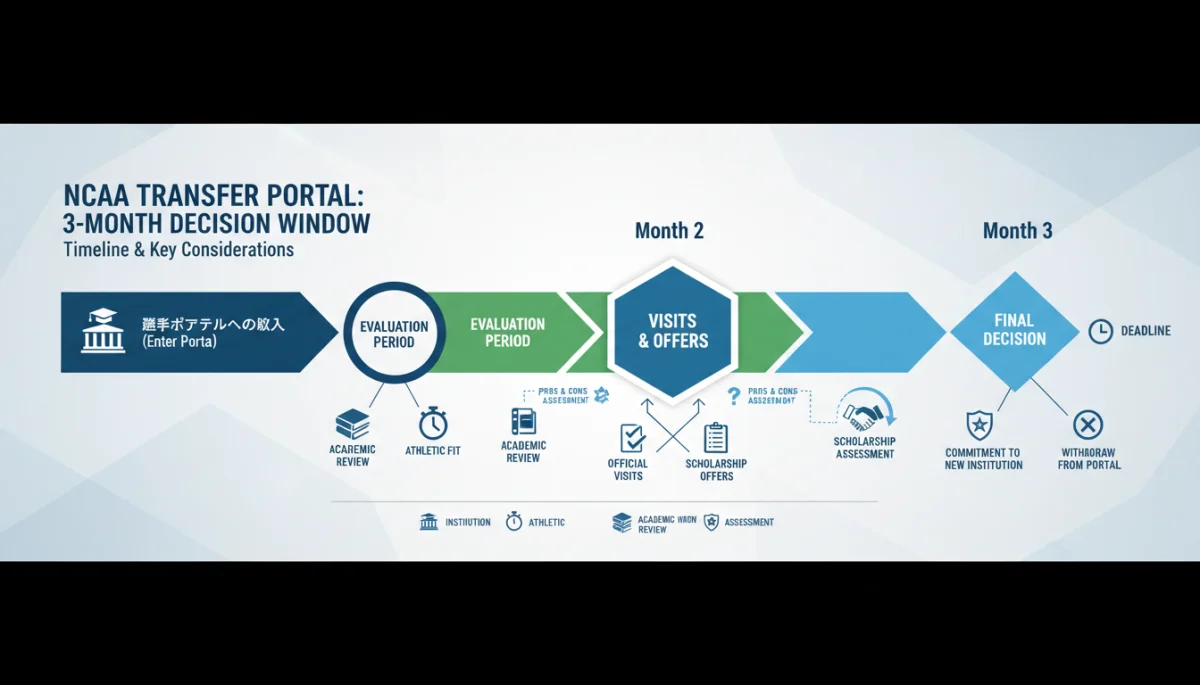
Navigating the Recruitment Process
Once in the portal, the recruitment process can be intense. Athletes should be prepared for a flurry of communication from various programs. It is essential to stay organized, keep track of contacts, and ask pertinent questions about scholarships, playing time, academic support, and team culture. Involving trusted mentors or family members in this process can provide much-needed support and perspective.
Understanding the rules of engagement is also key. Athletes should be aware of official visit limitations, contact rules, and the timelines for making commitments. Being informed empowers them to make the best decision for their athletic and academic future, ensuring a smooth transition within the 3-month window.
Strategies for College Programs and Coaches
For college programs and coaching staffs, adapting to the 3-month transfer window requires a strategic overhaul of traditional recruitment methods. Success in the 2026 cycle will hinge on efficiency, preparedness, and a deep understanding of the transfer market dynamics.
Developing a dedicated transfer recruiting team or assigning specific staff members to portal monitoring and outreach can significantly improve efficiency. This team would be responsible for identifying potential targets, initiating contact, and facilitating the evaluation process, allowing the main coaching staff to focus on current team operations.
Proactive Talent Identification and Evaluation
Rather than waiting for the transfer window to open, successful programs engage in continuous talent identification. This involves monitoring players at other institutions, keeping tabs on their performance, and building relationships with high school coaches who might have former players looking to transfer. A robust database of potential transfers can provide a significant advantage.
The evaluation process for transfers often differs from high school recruits. While athletic ability is paramount, coaches also need to assess a player’s maturity, adaptability, and emotional resilience. These qualities are crucial for a successful transition and integration into a new team environment within a short period.
Retention and Team Culture
While recruiting transfers is important, retaining current student-athletes is equally, if not more, critical. Programs must foster a positive team culture, provide excellent support systems, and ensure open communication to minimize the likelihood of their own players entering the portal. A strong internal environment can be the best defense against roster attrition.
Coaches should regularly engage with their players, address concerns, and demonstrate a commitment to their development both as athletes and individuals. Creating an environment where players feel valued and supported can significantly reduce the temptation to seek opportunities elsewhere, even with the allure of the transfer portal.
The Future of College Sports Recruitment Post-2026
The NCAA Transfer Portal, especially with its 3-month window, is not a static mechanism; it continues to evolve. Looking beyond 2026, further refinements and adaptations are likely as the NCAA seeks to balance athlete autonomy with institutional stability. The long-term trajectory suggests an even more dynamic and athlete-centric recruitment landscape.
One potential area of future development could involve more nuanced rules around multi-time transfers or specific academic benchmarks for immediate eligibility. The goal will remain to promote fair play, protect student-athlete welfare, and maintain the integrity of college sports, even as the transfer mechanism becomes more sophisticated.
Increased Professionalization and Support
As the transfer market matures, there will likely be an increased professionalization of support services for student-athletes. This could include specialized agencies assisting with portal navigation, NIL optimization, and academic planning for transfers. Universities may also invest more heavily in dedicated transfer support staff, recognizing the unique needs of these athletes.
The focus will shift from merely processing transfers to actively supporting their holistic development throughout their collegiate journey. This comprehensive approach aims to ensure that athletes leveraging the portal are not just finding new athletic homes but also thriving academically and personally.
Greater Transparency and Data Sharing
The future may also bring greater transparency and data sharing regarding transfer trends and outcomes. More robust data on transfer success rates, academic completion, and athletic performance at new institutions could inform both athlete decisions and institutional strategies. This data-driven approach would allow for more evidence-based policy decisions by the NCAA.
Ultimately, the NCAA Transfer Portal, with its structured windows, is a powerful force in college sports. Its continued evolution promises a future where student-athletes have more agency, and institutions are better equipped to adapt to the ever-changing tides of recruitment and roster management.
| Key Point | Brief Description |
|---|---|
| 3-Month Window | Defined periods for athletes to enter the transfer portal, requiring swift decisions. |
| Recruitment Reshaping | Coaches balance high school prospects with experienced college transfers for roster building. |
| NIL Impact | Name, Image, and Likeness opportunities heavily influence transfer decisions and recruitment. |
| Athlete Support | Increased focus on mental health and comprehensive academic/athletic support for transfers. |
Frequently Asked Questions About the NCAA Transfer Portal
The 3-month window aims to provide a structured, predictable period for student-athletes to declare their intention to transfer. This helps bring order to the recruitment process, allowing both athletes and institutions to plan more effectively for roster changes and academic transitions.
Generally, entering the portal within the designated window allows for immediate eligibility at a new institution, provided academic requirements are met. Missing the window can lead to delays in eligibility, potentially requiring athletes to sit out a season.
NIL (Name, Image, and Likeness) opportunities are a significant factor. Athletes often consider potential NIL earnings at new institutions, making it a competitive element in the recruitment of transfers. Programs with strong NIL collectives can be more attractive.
Preparation includes maintaining strong academics, performing well in their sport, creating highlight reels, and having candid conversations with their current coaches. It’s crucial to understand personal priorities and research potential new programs thoroughly.
Coaches are developing proactive strategies, including dedicated transfer recruiting teams, continuous talent identification, and enhanced analytics. They also focus on fostering positive team cultures to retain current athletes and minimize internal transfers.
Conclusion
The NCAA Transfer Portal’s 3-month window represents a significant evolution in college sports recruitment, particularly as we look towards the 2026 cycle. It has transformed how student-athletes navigate their collegiate careers and how institutions build their rosters. While presenting both challenges and opportunities, the structured approach emphasizes strategic planning, clear communication, and robust support systems for all involved. As the landscape continues to evolve, adaptability and a proactive mindset will be key to success in this dynamic era of college athletics.
